
The case for becoming a GP Supervisor - Dr Helen Dooley
In this article, Dr Helen Dooley shares her practical tips and reflections on the real rewards of supervising GP registrars and why stepping into this role can enrich both your practice and the profession.
Why become a GP Supervisor when you already have your hands full with a busy general practice caseload?
And why take on responsibility for your registrar’s patients as well as your own?
Many of us who supervise have discovered that it’s not as daunting as it first seems and we’ve continued because we genuinely enjoy it.
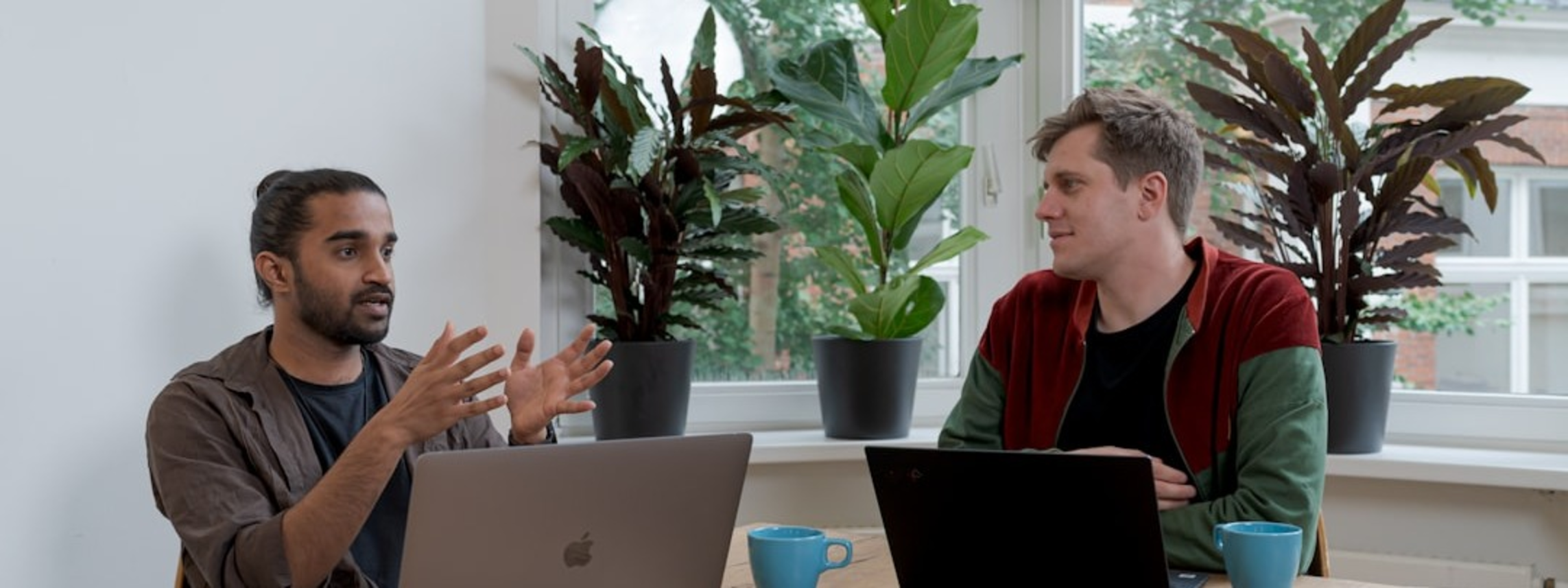
General practice is rich in patient contact but often light on opportunities to collaborate with fellow GPs. Teaching and supervising creates that space for meaningful professional connection.
And the combination of a newly trained GP, fresh from structured learning but still new to the realities of community practice, paired with an experienced GP, is a powerful one - a team that supports excellent patient care.
Organising your time
Working out the logistics of communication and dividing yourself between your patients and assisting/teaching the Registrar during a consultation can be tricky.
RACGP assists by flagging all cases that require supervision and this is understood by registrars. Each of us supervisors have preferred ways to be communicated with, while consulting, and we should make sure our registrar is aware of this.
The supervisor will often be required to see the registrar’s patient, other times phone advice is sufficient, and, where appropriate, a case discussion at the end of the day or next teaching session is an efficient and effective method.
I have found it is useful to schedule less patients yourself, especially with a GPT1, and it is surprising how tolerant my own patients are, to me excusing myself to assist with a Registrar’s patient. I think they all support me teaching the next generation of GPs.
There is the occasional patient I cannot leave, and I will then make the call to stay with my patient. In this scenario, the registrar can seek assistance with another GP or wait till I have finished the consultation.
Dedicated teaching time
Dedicated teaching time, either before or after a session is best booked in for the week well in advance (preferably for the whole term) and is a great anchor for the registrar. It is a time for the supervisor to get to know the strengths and weaknesses of the registrar as applied to General Practice.
I prefer to let the registrar run the session unless there are reasons for a supervisor agenda. The registrar will have generated a list of cases to discuss.
Teaching as I see it, is describing what you do and why, and discussing this in the context of current guidelines (which you can both look up). This includes how we manage undifferentiated cases, uncertainty, safety netting and referring appropriately.
I use teaching time to collaborate on difficult cases, plan procedures, practice giving bad news, write a Certificate, report to an external authority. These are usually all firsts for the Registrar.
It is also a time to discuss time management, boundaries, gifts and complaints and self-care.
Resilience and role modelling
As GPs, we are at high risk of burn out, as we are expected to give a high level of care and support to our patients and are accountable if we fail.
We also have a very strong sense of responsibility, and we cannot always “save” our patients.
It is important that we pass on our tips for resilience and this includes knowing what we can influence and what we cannot. We also need to accept that we will be affected by adverse outcomes and will need support and debriefing throughout our working life.
All of this can be overwhelming when starting out in General Practice combined with studying and sitting three exams.
As a Supervisor I like to role model as a General Practitioner with a positive attitude by showing I enjoy my work (mostly).
I also see my role as supporting the registrar as they settle into a new work environment - one with welcoming staff, a well-equipped clinic, and experienced GP support readily available. While this sounds good, I have learnt it is not always enough and some registrars struggle and we need to check in and be prepared to get extra support where needed.
In summary, I encourage all GPs to consider supervising and teaching. You don’t need any extra qualifications -just the skills and attributes that already make you a good GP.
RACGP provides excellent support and education for new and experienced supervisors.