
Reflections on the 2025 ACRRM Supervisor Summit
Dr Simon Morgan, GPSA's Education Manager, shares the summit's highlights.
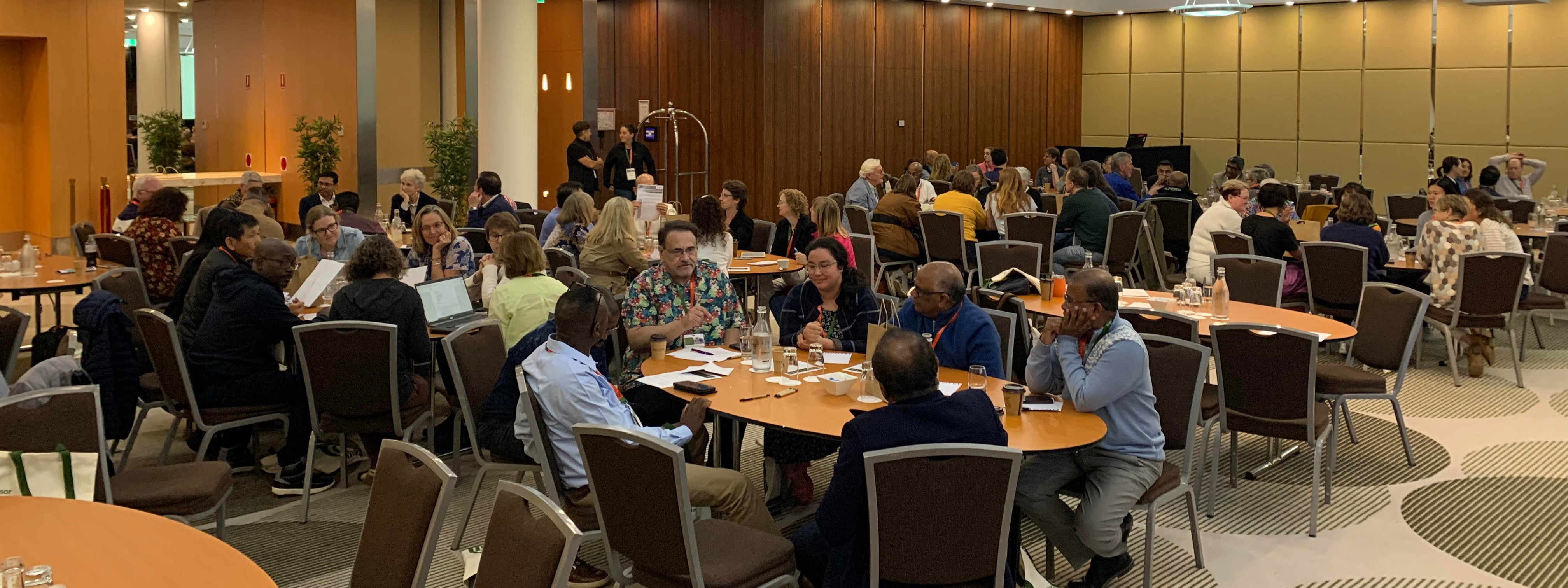
GPSA was invited to the inaugural ACRRM supervisor summit in Sydney on 14-15 August and both Carla Taylor and I attended and presented. There were about 160 supervisors from all over Australia in attendance. The summit covered a wide range of supervision topics and was an excellent opportunity for supervisors, educators, program staff and others to meet and connect in person.
If you missed the summit, here’s a summary of the highlights
Keynote - Aligning the curriculum, learning experience and assessment of learners - Richards Hays
This was an interesting session which covered a broad scope of medical education issues. The different types of curricula were discussed:
-
Planned
-
Delivered
-
Experienced
-
Assessed
-
Hidden – ‘off script’
A couple of key messages for supervisors:
-
There is a need to identify the gap between the planned curriculum and experienced curriculum (clinical exposure), and consider how to address this
-
Perhaps that most important role of the supervisor is to facilitate broad clinical exposure and lots of patients
Integration of rurality into teaching
Aka ‘hiding the Tim Tams in the supermarket to avoid patients seeing your treats’!
Key areas of integration include:
-
Curriculum design, including
-
Resource limited decision making
-
Cultural safety training
-
Ethical and moral dilemmas (rural)
-
Clinical placements
-
Mentorship from rural GPs
-
Simulation and technology use
-
Community engagement and cultural competence
How to perform a mini-CEX – Sue Harrison
This session took the supervisors through the ACRRM mini-CEX assessment form, and then used a video of both a registrar-patient consultation and then supervisor-registrar feedback to illustrate its use. It covered the principles and practice of feedback of a directly observed consultation.
We were introduced to the notion of radical candour in feedback.
Dive deeper into this concept here and see the Radical Candor model below.

GPSA Presentations
Dr Simon Morgan, Education Manager, delivered three presentations:
-
In-practice teaching – the ‘what’ and ‘how’ and teaching
-
Giving effective feedback (with Sara Fergusson) – take home messages of using a cultural lens, a synthesised feedback model, how to ‘receive feedback’
-
Registrar at risk and the neurodiverse registrar (with James Best)
The presentations showcased the GPSA resources and how they can be integrated in supervisor-led teaching.
Carla Taylor, Executive Lead for Special Projects, delivered a session on employment models and escalation processes with Ewan McPhee.
How to use mini-CEX and supervisor reports as a teaching tool
This final session of the day discussed a range of tips related to the ECTV and DO, including:
-
Asking the registrar, ‘What do you want to focus on?’
-
Discussing the ‘flow’ of the consultation and ‘flow of movement’ – Peter Roach
-
Identifying deficits in specific consultation skills and a plan for practicing skills later (using Matt’s tools)
-
Using Teams during remote ECTVs to view clinical software and being able to follow clinical notes and clinical reasoning – David Rimmer
-
Emotional check-in before next patient
-
Asking ‘How well did you let the registrar tell their story?’ – Peter Stevens
-
Using a narrative physical examination – explaining what you are doing and seeing and looking for, helps with safety netting
Cultural safety
This session on the Friday morning was led by Jacinta Power, a First Nations GP from Brisbane.
We learnt about the definition of cultural safety, including from AHPRA. Cultural safety is determined by First Nations people.

Grant Saunders gave a wonderful presentation on a number of aspects of cultural safety, These included racism, and his personal experience of racism; past Australian policies; and cultural bias. He used a number of video clips (Rabbit proof fence, breakdancing, Sky News clip) which was a powerful way to present.
Philip Dreise talked about the content of the JCTS teaching for GP registrars.
Key topics for supervisors to cover with GP registrars
-
Identification of Aboriginal and Torres Strait Islander patients
-
Benefits
-
Process
-
Eligibility
-
Process
-
Completing an Indigenous health check
-
Medicare e-learning module
-
Benefits
-
Process
-
Screening and guide
-
Resources
-
Clinical yarning
-
Resources – our resource page and guide got a big mention!
-
Be a role model
National Cultural Educators and Cultural Mentors Network
Marlene Drysdale and Glenda Humes discussed the role of the network.
What aspects of your practice are culturally safe?
What can be done?
-
Create a welcoming environment
-
Address conscious and unconscious bias with staff
-
Recognise and respect diverse cultural practices
-
Equitable access and quality of care
-
Cultural safety training
-
Respectful communication
-
Addressing power imbalance
-
Develop a policy
-
Use clinical yarning
-
Checking back
The role of the supervisor
-
Embedded attitudes within the medical workforce mean supervisors have a key role in the practice and promotion of decolonised and antiracist approaches to their engagement with Aboriginal and Torres Strait Islander peoples
Closing the gap
-
Is it a gap or a wall?